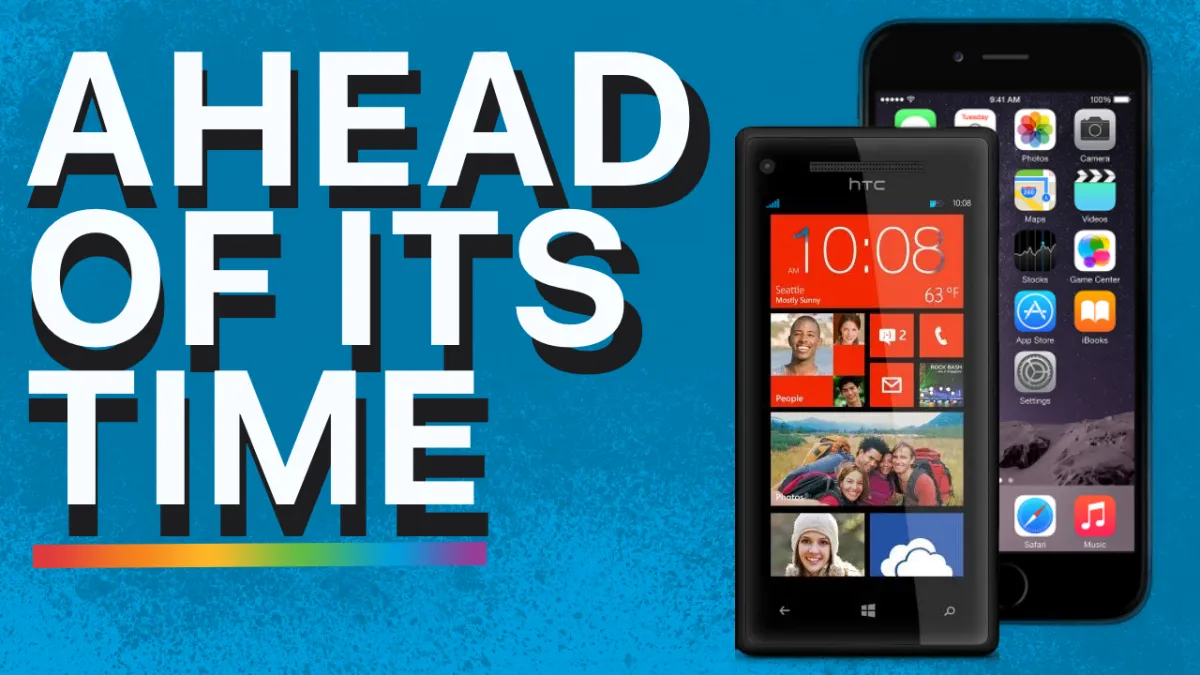
Why I Think Windows Phone Was Ahead of Its Time
I’ve been an iPhone user for years, but I’ve always had a soft spot for Windows Phone. While everyone else dismissed it as Microsoft’s failed experiment, I couldn’t shake my curiosity. Eventually, I caved and bought a used HTC 8X on eBay in 2014.
Here’s the thing: by the time I got my hands on one, the platform was already dying. Apps were shutting down, developer support had started drying up, and I never got to experience Windows Phone in its fullest prime. Yet even despite that, I loved using that device.
Why? Because Windows Phone was a minimalist’s dream. Those live tiles displayed information at a glance, updating in real-time right on your home screen. No clutter, no endless app icons or pages. Clean design and the information you actually needed. It was everything we love about widgets, years before Apple figured it out.
Windows Phone didn’t try to copy iOS and Android. It reimagined what a smartphone interface could be. And honestly? In many ways, it was better.
Live Tiles: The Original Widget?
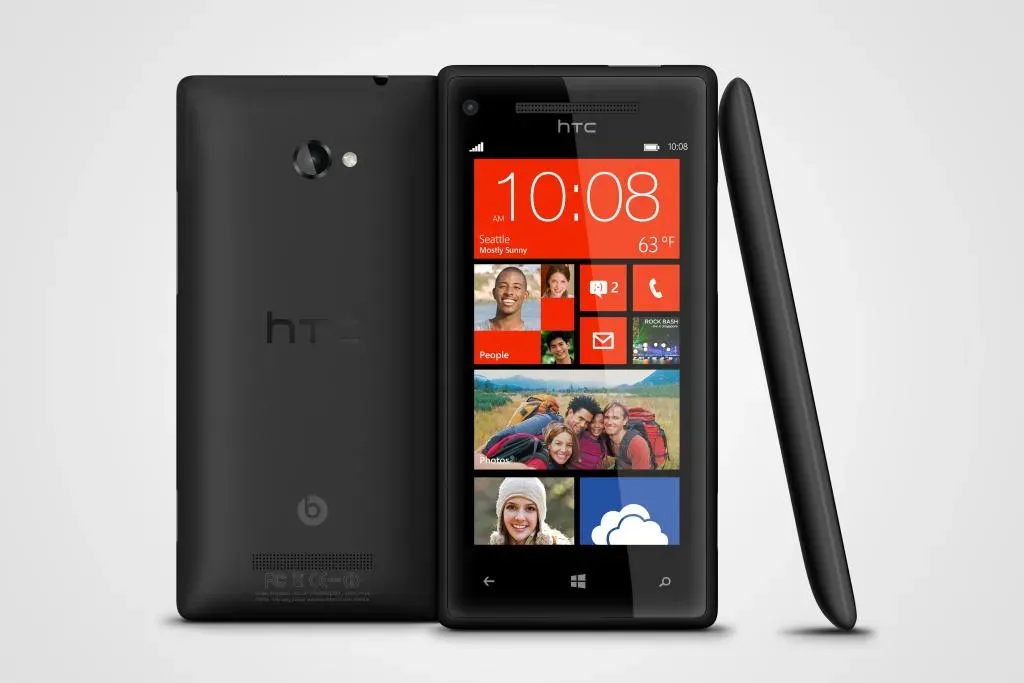
Let’s talk about what made Windows Phone special: live tiles.
Imagine your home screen isn’t just a grid of static app icons. Instead, each tile is alive: showing your unread messages, upcoming calendar events, weather updates, and photo slideshows without ever opening an app. That was Windows Phone even in 2010.
You could glance at your phone and instantly know what mattered. No need to tap into five different apps, or swipe through pages to catch up. The information presented itself to you. You could resize tiles based on importance like making your calendar huge.
Sound familiar? It should. Apple introduced widgets to the iPhone home screen in iOS 14. Android had widgets way earlier.
The difference? Live tiles weren’t an afterthought. They were the entire interface philosophy. Every app had a tile. Every tile could display live information. It was coherent, purposeful, and incredibly personal.
Using my HTC 8X felt like having a dashboard designed specifically for my life, not just a launcher for apps.
A Minimalist’s Dream
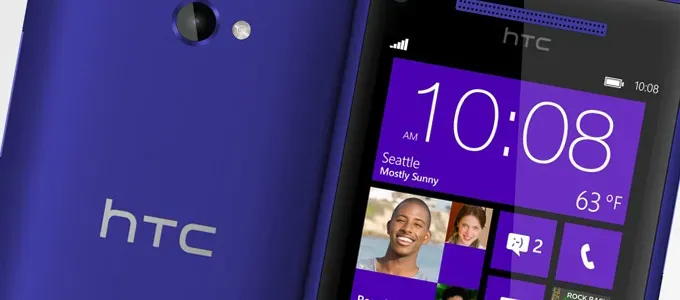
If you’ve ever felt overwhelmed by cluttered phone interfaces, Windows Phone would have been your happy place.
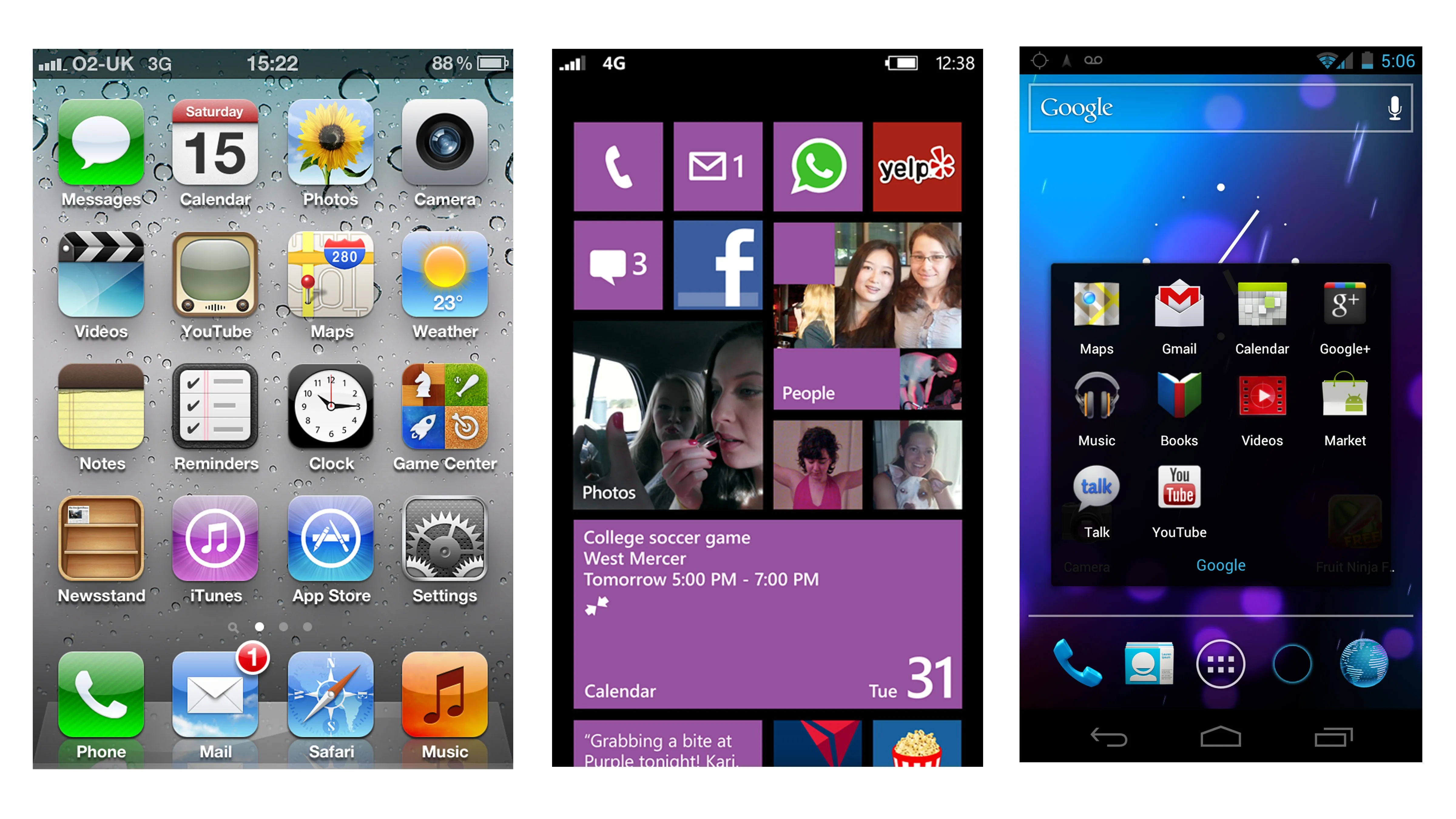
The design philosophy was radical for its time: bold typography and flat colours. This was 2010-2012, when iOS still had skeuomorphic leather textures.
Windows Phone said: what if we just used beautiful type and colour?
The result was stunning. Opening the phone felt calm. Scrolling through menus was smooth and purposeful. The interface wasn’t trying to impress you with flashy effects. I remember marketing around the fact it was trying to get out of your way so you could do what you needed and move on.
My HTC 8X was a perfect example of this. The hardware was super slim with gently curved edges that felt incredible in hand. The 4.3-inch screen was perfectly sized. And the battery life? Amazing! I could easily get through a full day of use.
Everything about the experience felt intentional. Microsoft wasn’t chasing features for the sake of features. They designed a phone that respected your time and attention.
Apple eventually moved to flat design with iOS 7 in 2013. Google followed with Material Design in 2014. Both were chasing the aesthetic that Windows Phone had already nailed years earlier.
What Windows Phone Got Right
Glanceable information: You don’t need to open apps to see what’s happening. Your home screen tells you. Widgets, lock screen notifications, always-on displays, all rooted in the live tile concept.
Customization without chaos: Windows Phone let you build a personal interface without feeling like you were hacking your device. Resize tiles, choose colours, arrange by priority. It was flexible but never messy.
Integration over isolation: Instead of thinking in apps, Windows Phone thought in Hubs like People, Photos, Music. Your contacts weren’t trapped in a contacts app; they were woven into your social feeds, messages, and calls in one flowing experience.
Smooth performance on modest specs: The HTC 8X had a dual-core Snapdragon S4 processor and just 1GB of RAM. Yet Windows Phone 8 ran beautifully. Why? Because Microsoft optimized the OS from the ground up instead of piling features onto a legacy codebase. That efficiency mattered.
So Why Did It Fail?
If Windows Phone was so good, why am I writing a nostalgic blog post instead of using one right now?
Three reasons:
1. The app gap
This was the killer. By the time I bought my HTC 8X on eBay, major apps were already abandoning the platform. Instagram was web-only. Banking apps were missing. Even when apps did exist, they were often half-baked ports that developers didn’t really care about to update.
It didn’t matter how beautiful the OS was if you couldn’t do basic things your friends on iPhone and Android could do. The live tiles were amazing but if the app didn’t integrate live tiles, what’s the point?
2. Late to the party
Windows Phone launched in 2010. The iPhone had a three-year head start. Android was already exploding. Developers had invested heavily in iOS and Android ecosystems. Convincing them to build for a third platform with tiny market share? Nearly impossible.
Microsoft was playing catch-up in a race that was already over.
3. Microsoft’s own execution issues
Microsoft kept resetting the platform. Windows Phone 7 apps didn’t work on Windows Phone 8. Then Windows 10 Mobile tried to unify phone and desktop but arrived too late. I wasn’t around for this but I’ve read that each reset alienated the small developer community that did exist.
Microsoft finally ended Windows Phone in 2017, but by then the platform had been effectively dead for years.
The Ideas Won, Even if the Platform Didn’t
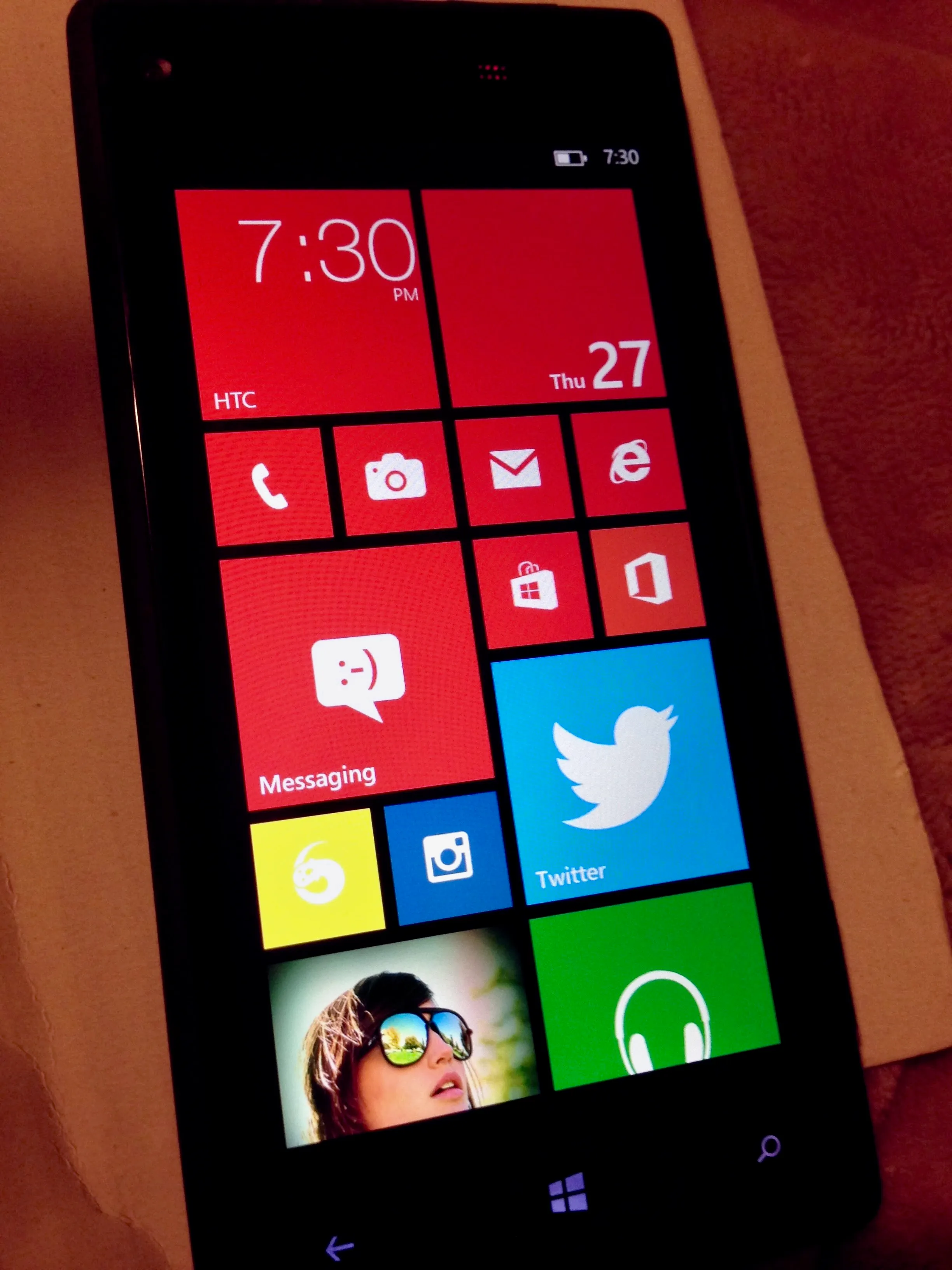 My Windows Phone: A HTC 8X
I still think about my HTC 8X sometimes. It was slim, fast, beautiful, and genuinely enjoyable to use even as the ecosystem crumbled around it. That’s a testament to how good the core experience was.
Did Windows Phone’s ideas conquer the industry? Not exactly. Android had widgets first. iOS went its own direction. But Windows Phone proved that bold, minimalist design could work in mobile.
Maybe the real lesson isn’t about influence. It’s simpler: innovation alone isn’t enough. You need timing, ecosystem support, and momentum. Windows Phone had the vision. It just didn’t have the rest.
So here’s to the minimalist’s dream that never got its moment. Sometimes great ideas just arrive at the wrong time.
Your Turn
Did you ever use a Windows Phone? What was your experience? Or maybe there’s another piece of tech you think was ahead of its time. Something that failed but influenced everything that came after?
Want to experience Windows Phone for yourself? You can still find used HTC 8X and other Windows Phone devices on eBay. Perfect for a weekend exploration or an addition for your tech collection. Check current listings here.
This post contains affiliate links. If you purchase through these links, I may earn a small commission at no extra cost to you.